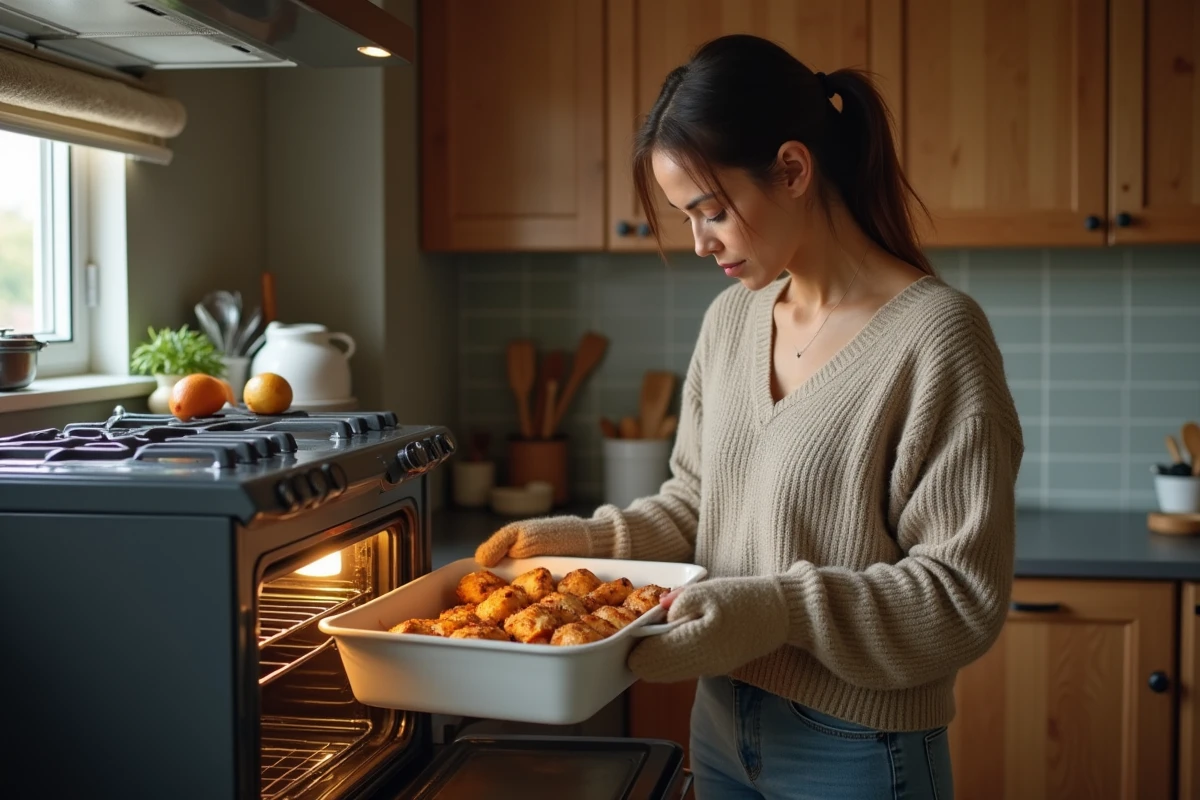
Refrigeration alters the structure of chicken proteins, often resulting in a loss of tenderness when reheated. Even slight overcooking is enough to dry out the meat or ruin the breading. However, certain techniques can help preserve tenderness and flavor, regardless of the initial cooking method. The methods vary depending on whether it’s whole pieces, sliced breasts, or breaded chicken, with essential adjustments in temperature and time to achieve a satisfactory result. Each method addresses specific constraints to minimize waste and fully enjoy leftovers.
Why reheated chicken often loses flavor and texture
Reheating already cooked chicken often means risking the sacrifice of everything that makes juicy meat delightful. Once it has been chilled, chicken changes: the meat tightens, moisture escapes, and the texture becomes firm, sometimes tough. With the slightest mistake, the dish turns into dry bites, far from the memory of Sunday roast.
One detail can change everything: keeping the skin on during reheating. Even if it doesn’t always regain its crispiness, it acts as a shield, preserving the tenderness of the meat. Removing it too early exposes the meat to direct heat and accelerates drying. Another valuable ally: a bit of cooking juice or broth. This simple gesture maintains moisture and provides real protection against dryness, whether in the oven or a pot.
The secret lies in mastering time and temperature. If the oven is too hot, it ruins the texture. If it’s too low, the dish doesn’t heat through, exposing you to health risks. It is never advisable to reheat the same chicken twice: with each reheating, flavor and texture fade a little more. For further guidance, there are reliable resources like how to reheat already cooked chicken in the oven, which detail the methods to adopt to regain the pleasure of tender and flavorful meat, even the next day.
Which methods to prioritize based on the type of already cooked chicken
You don’t reheat a whole chicken the same way you do sliced breasts or detached wings. Here’s how to adapt the method based on the piece you need to reheat.
For a whole roasted chicken, the oven is the classic choice. Preheat it to around 160 to 180°C. Place the chicken in an oven-safe dish, cover it carefully with a sheet of aluminum foil to trap steam and prevent the meat from drying out. At the end of reheating, remove the foil to allow the skin to regain some firmness. Generally, a 15 to 20-minute stint will achieve an even temperature without brutalizing the meat.
If you have cut the chicken, a pot works wonders. Pour a bit of broth or the juice collected from the first cooking at the bottom, cover, and heat on low: the meat stays tender, and the flavors remain. Prefer a more pronounced texture? A skillet is suitable: a drizzle of oil or a knob of butter, well-spaced pieces, a few minutes over medium heat, and you have golden leftovers, perfect for a salad or sautéed vegetables.
In an emergency, the microwave has its fans. Cut the chicken into equal pieces, place them in a suitable dish, add a bit of broth or water, and cover. Opt for medium power and monitor regularly, as heat rarely distributes evenly. For those with a rotisserie, it’s an uncommon but effective solution: the heat envelops the whole piece and helps maintain the meat’s original structure.

Simple tips for flavorful and waste-free reheated chicken
Chicken leftovers, far from being a burden, become a playground for culinary imagination. Reheat, yes, but also reinvent: it’s all about combinations and simple gestures. In the skillet, a drizzle of olive oil, a touch of paprika or ground ginger, and voilà, chicken pieces transformed into a delicate garnish. A bit of broth or cooking juice is enough to keep the moisture and banish dryness.
Already cooked chicken also finds its way into many dishes. It can be added to fresh pasta, mixed into a crunchy salad, or browned in the oven with seasonal vegetables. This way of cooking avoids routine and allows leftovers to be adapted according to desires and available ingredients.
To vary the pleasures, here are some concrete ideas to try:
- Sprinkle the pieces with some spices before sautéing them.
- Coat the leftovers with cooking juice to retain moisture.
- Serve them with sautéed potatoes or incorporate them into a light sauce.
Sylvie, who shares her recipes on social media, often reminds us: the simplest things sometimes make the best. Reviving already cooked chicken is primarily about creativity, attention to detail, and the desire not to waste. It’s up to everyone to invent their way of extending the pleasure, without ever succumbing to the ease of soulless reheating.