
In France, nearly 15,000 home exchanges are completed each year through specialized platforms, without direct financial transactions between individuals. Most contracts, however, rely on mutual trust that is rarely formalized in writing. Some networks impose a points system to balance requests, while others favor simultaneous or deferred agreements depending on the availability of accommodations. Notable differences also remain in the management of insurance and responsibilities, which can lead to unexpected situations, sometimes resulting in disputes.
Home exchange for vacations: a friendly and economical alternative
Home exchange changes the game for those who dream of discovering new horizons without emptying their bank accounts. Here, there’s no need for checks or rent: the agreement is simple and direct, based on trust and the desire to share. The principle? Offer your home in exchange for the opportunity to live, for the duration of a stay, in someone else’s world. Exchange communities focus on friendliness, far from impersonal accommodations. You share your real life, your favorite spots, and sometimes, a forgotten library or a garden that smells of extended vacations.
Families say it: it’s an opportunity to extend their stay, to travel with children without sacrificing comfort. Functional kitchen, baby equipment, games left available, small bikes leaned against the fence. The result: no need to choose between a change of scenery and practicality, everyday life joins the adventure under the sign of tranquility.
To get started easily, all you need to do is register on a suitable platform. On echangeimmo.com, the search for an exchange is organized transparently: everyone creates their profile, publishes photos and descriptions, discusses dates, and chooses a candidate for the stay. Here, discussion always precedes the agreement; transparency, simplicity, and trust serve as safeguards for the experience.
Questions to ask before taking the plunge: security, trust, and organization
Inviting strangers into your home or temporarily taking possession of someone else’s accommodation involves considering several concrete points. The first step: check the coverage offered by your home insurance. Some contracts naturally include hosting strangers, while others require prior notification or an extension. A quick call to the insurer clarifies what is covered and what is not, so you don’t find yourself unprotected in case of an incident.
Trust cannot be improvised. It arises from several exchanges, sometimes from a video call, where each party can ask questions, express expectations, and dispel doubts. It’s better to write down a few simple rules, even by email: how to exchange keys, what to do with fragile items, rights and restrictions regarding pets or vehicles. Laying out these details, black and white, ensures a clear experience, without surprises or ambiguity.
To travel with peace of mind, rigorous organization is essential. Here’s what to plan for a stay without unpleasant surprises:
- Compile useful information: instructions for household appliances, local repair contacts, access codes, and detailed safety instructions.
- Communicate in advance to reassure your partner: explain where everything is, where to return the keys, how to report any issues.
- Address sensitive topics: items not to use, possible car loan, pets to feed or avoid. It’s better to be specific.
These precautions, far from stifling spontaneity, facilitate a balanced exchange where everyone knows what to expect. Trust grows with clarity, and makes all the difference.
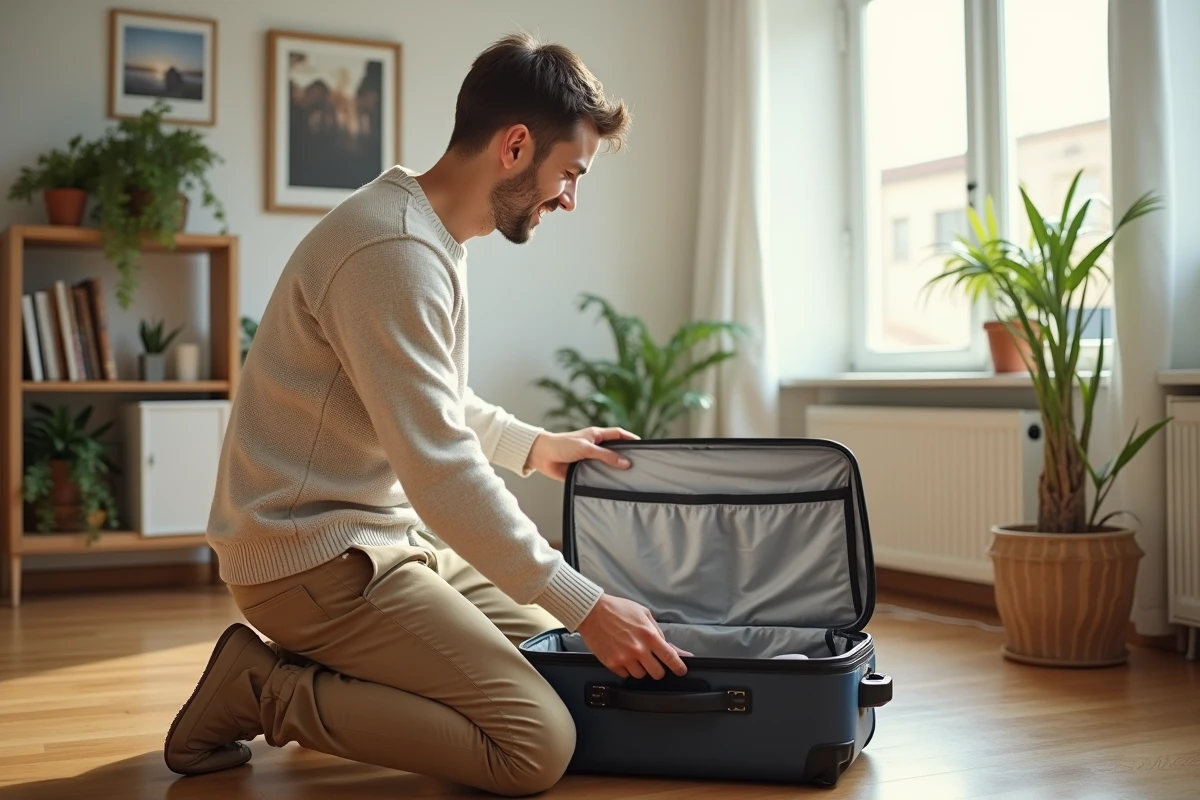
Reliable platforms and practical tips for a successful first exchange
The choice of platform determines the experience. Dedicated sites gather members who complete detailed profiles, commit to leaving reviews, and offer balancing measures, such as points systems. The more detailed, illustrated, and honest an ad is, the more it inspires trust in a potential exchange partner, whether they live in Paris, Montreal, or in the heart of the English countryside.
Preparation makes the difference between a memorable stay and a chaotic experience. A few elements should be carefully considered from the start: fresh photos, an accurate description of the accommodation, highlighting local attractions, and a precise inventory of available amenities. Responsiveness in communication fosters trust from the very first exchanges.
To maximize the chances of a successful first exchange, consider these simple gestures:
- Make the first contact count: write a message tailored to the recipient to show your seriousness and create a favorable atmosphere from the outset.
- Clearly specify the desired dates to avoid any ambiguity.
- Explain concretely how arrival and departure will go, what to know about the neighborhood, and share your personal recommendations.
By taking care of every detail and anticipating the questions of your future guests, you allow everyone to project themselves calmly. Through the exchanges, much more than just accommodation, real encounters and sometimes new friendships emerge. A home exchange is often much more than a change of address: it’s an opening to the unexpected, an invitation to live, for a few days, in someone else’s footsteps.