
Some foods, although common in daily diets, complicate recovery after a digestive procedure. The strict application of a temporary but restrictive low-residue diet clashes with many ingrained eating habits.
Products considered healthy, such as raw fruits or whole grains, should be avoided during this period. Their consumption exposes individuals to unexpected digestive issues, despite their reputation. Adapting meals therefore requires a selective approach, often counterintuitive, to limit risks and promote optimal recovery.
The low-residue diet after a colonoscopy: why recommend it?
After a colonoscopy, the low-residue diet is essential: it gives the digestive system a well-deserved break. This recommendation from the gastroenterologist aims for a simple goal: to drastically reduce fiber intake so that the colon can recover without being overstimulated. By limiting fermentation and irritation of the mucosa, this diet maximizes the chances of returning to normal without unnecessary pain.
The intestinal preparation performed before the examination leaves the intestine vulnerable by temporarily disrupting the bacterial flora. The result: slowed digestion, reduced tolerance to fibrous foods, and sometimes severe reactions, such as diarrhea or bloating. Temporarily adopting this diet helps alleviate these discomforts during the microbiota rebalancing phase.
Even outside of colonoscopy, this dietary framework also supports recovery after certain digestive procedures or during inflammatory bowel diseases. French gastroenterology societies remind us that returning to a normal diet should be done gradually, respecting each individual’s pace.
Which foods to avoid to protect your colon?
As soon as the examination is over, carefully choosing what goes on your plate limits the occurrence of digestive issues. Foods known for their high fiber content and potential irritants should be temporarily excluded. For clarity, the resource foods to avoid after a colonoscopy provides a detailed list to consult for meal adjustments and to ease daily life.
Among the food groups to ban, here are the main ones:
- Raw fruits and vegetables: grated carrots, salads, cabbage, citrus fruits are far too harsh for a sensitive intestine.
- Whole grain bread, muesli, whole grain cereals, bran: these foods strongly stimulate transit, leading to undesirable digestive discomfort.
- Cold cuts, fatty or smoked meats, dried or smoked fish: they exacerbate bloating and digestion difficulties.
- Fermented cheeses, raw milk, unpasteurized dairy products: their fermentation contributes to weakening the intestinal system, especially in the most vulnerable.
In terms of beverages, alcohol, strong coffees, sodas, fruit juices with pulp, or carbonated drinks irritate and should be set aside until the colon has regained its full tolerance. The acidity, caffeine, or gases they contain worsen discomfort.
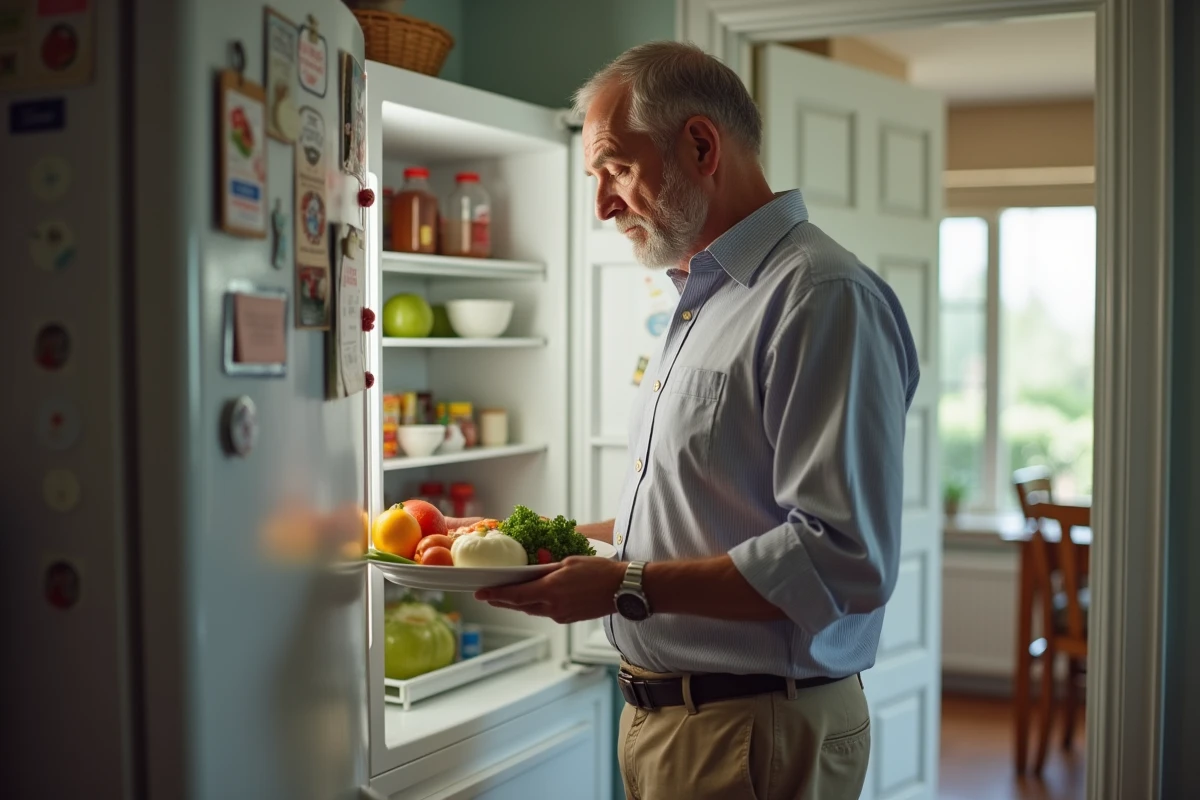
Composing meals in the days that follow: some guidelines
Right after the colonoscopy, it is preferable to return to a gentle diet, with simple foods that do not upset the digestive system. Well-cooked white rice, mashed potatoes without skin, plain pasta or semolina: these staples satisfy without stressing the intestine.
When it comes to proteins, it is better to prioritize lean meats such as low-fat ham, poultry, lightly cooked eggs, or steamed white fish for their ease of digestion.
To avoid any unpleasant surprises, here are some useful tips to remember:
- Toasted white bread, rusks, and hard cheeses can complement the meal without causing issues.
- Drinking plenty remains wise: still water, mild herbal teas, clear broths, or fruit juice without pulp help rehydrate while respecting digestive balance.
Small quantities, split meals, and attentive listening to the body’s reactions are your best allies. Everyone progresses at their own pace towards a varied diet. If abdominal pain persists or in case of doubt, do not hesitate to consult a healthcare professional. Adapting meals on a case-by-case basis avoids mistakes and prevents the onset of deficiencies.
The return to normalcy, after a phase as unusual as it is necessary, resembles a controlled progression rather than a leap into the unknown. At each step, the right food choices pave a slightly more serene path towards full recovery.