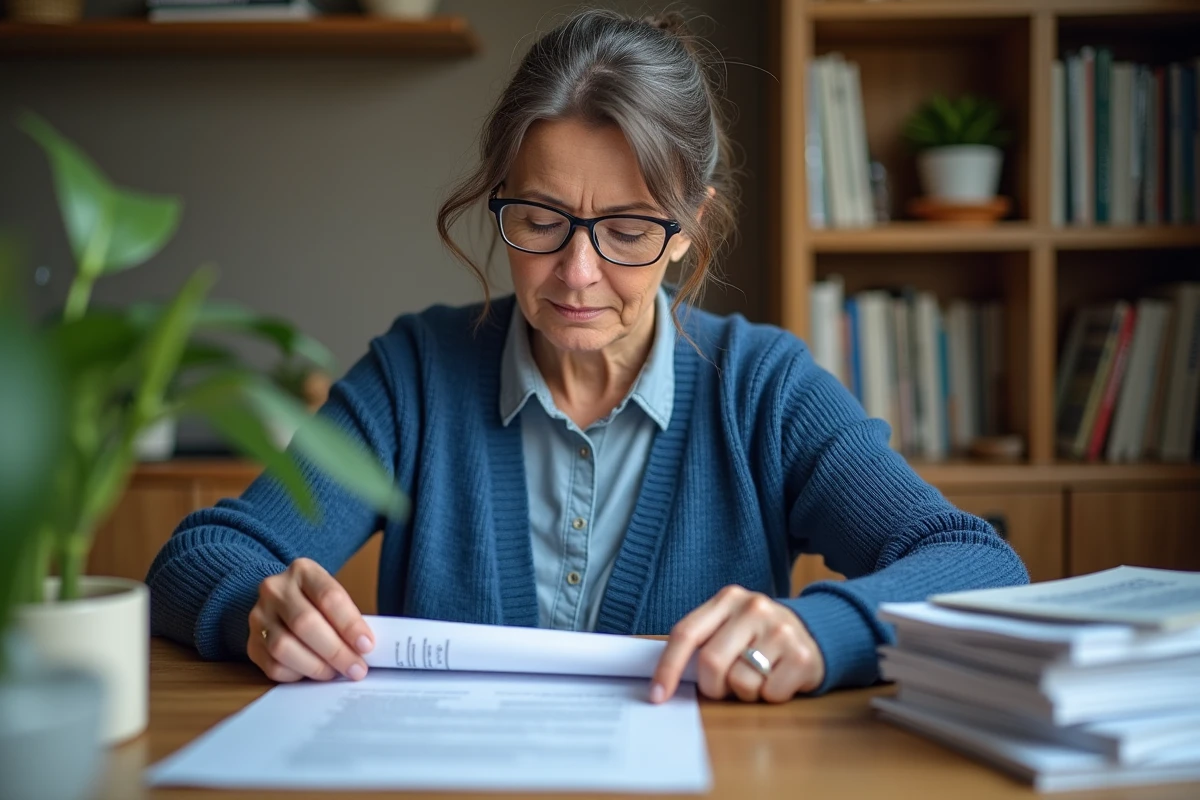
A diploma locked in its plastic armor. An official certificate condemned under a shiny film. Removing the lamination from a document without causing tears, stains, or glue marks often presents a technical challenge. Few users know that a well-executed de-lamination operation depends as much on the chosen method as on the nature of the paper or the type of film used.
However, there are lesser-known solutions to minimize damage. It is possible to preserve the integrity of a document, whether it is an official act, a diploma, or an administrative document that needs to be kept in good condition.
De-laminating a document without risk: what you need to know before starting
Before tackling lamination, one must first carefully observe the document itself and the type of plastic used. An administrative act or archival paper does not tolerate approximation. Plastic protects, indeed, but removing it requires precision, as any misstep risks irreversibly damaging the original support.
Not all plastic films are equal: their thickness, composition, and reaction to heat vary. Look for the presence of a margin around the paper: a border that does not stick to the document can greatly facilitate the work. If there is no margin, caution is essential, as the risk of tearing the paper increases significantly.
The environment also matters: humidity and temperature affect the flexibility of the plastic and the reaction of the adhesives. For old or fragile documents, caution is paramount. Many archivists and specialists in France emphasize the importance of clean, stable, and well-lit working conditions to minimize risks.
Before diving in, it is wise to consult resources like how to de-laminate a document easily and quickly, to choose the most suitable method. Every step counts in preserving the value of the document, whether it is intended for administration or family memory.
What methods can be used to remove lamination without damaging the paper?
Getting rid of the plastic layer of a document requires patience and diligence. Every handling can make the difference between an intact document and crumpled or torn paper. Several techniques exist to free a document from its plastic film without deteriorating it.
The thermal method: playing with temperature
Using heat in a controlled manner remains one of the most common methods. An iron set to a moderate temperature, accompanied by a sheet of parchment paper, allows for gently softening the adhesive of the lamination pouches. Simply glide the iron slowly (without steam) and observe the reaction of the plastic. As soon as the film begins to peel away, it should be removed delicately by hand. This process works particularly well with thick pouches.
Here are the precautions to take to avoid unpleasant surprises:
- Ensure the iron is clean and never use steam.
- Check the thickness of the plastic film: the thicker it is, the more effectively heat acts.
- Never leave the iron on the same area for too long.
Using specialized tools
For those with professional equipment, some lamination machines offer a de-lamination option thanks to precise temperature and pressure settings. In archival or reprographic services, this solution allows for the removal of the adhesive film without compromising the original document.
The manual method remains feasible if the margin of the pouch is not sealed to the paper. One must then carefully slide a thin blade between the two layers, moving slowly to minimize risks. For a neat result, limit unnecessary handling and always adapt the technique to the type of paper and the thickness of the film.
Practical tips for successful lamination and preserving your documents
Lamination is not just a matter of technique or equipment. Before opting for this protection, ensure that the document is clean and free of dust: even the slightest residue can compromise the final result.
To ensure good sealing, choose pouches that are perfectly suited to the size of the document. A consistent margin all around helps protect the content from moisture.
Regarding the thickness of the pouches (measured in microns), the choice directly influences the robustness of the protection. Supports that will be frequently handled, such as access cards or menus, benefit from thick pouches. Caution: an improperly adjusted laminator temperature can create bubbles or warp the paper. It is advisable to let the machine heat up sufficiently before inserting the document, then to insert it with a confident motion to avoid any folds.
To succeed in each lamination, keep these recommendations in mind:
- Place the document well-centered in the pouch.
- Follow the manufacturer’s instructions regarding temperature.
- Allow to cool after passing through before any handling.
To preserve sensitive archives or old documents, cold lamination is an interesting alternative. It protects the paper from the effects of heat and limits the risks of deterioration. Opt for this method on fragile supports. A consistent finish on the edges provides optimal protection and a professional appearance. Thus, a properly laminated document retains its readability and withstands the test of time.
A diploma freed from its plastic, a certificate regaining its original flexibility: well-executed de-lamination gives the document a second life. The question remains how many forgotten treasures lie beneath a layer of plastic, waiting to be restored to their former glory.